Articles

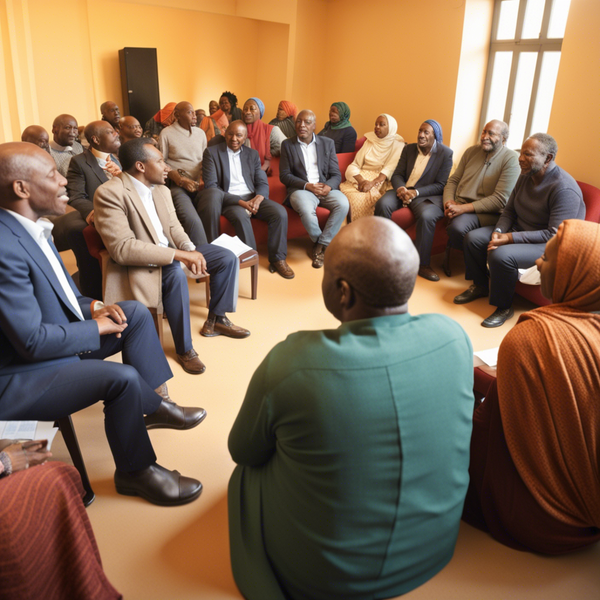
Who/What Constitutes Civil Society in South Africa?

"South Africa is unique in its history of consultative dialogue between various key stakeholders – a
critical factor in the success of the negotiated political transition to democracy in the late 1980s
and early 1990s. After the first democratic elections in 1994, civil society organisations have had to
make huge changes in terms of their goals, structures, programmes, skill base, and so on. That process is still ongoing as democracy is consolidated and new or adjusted priorities emerge."

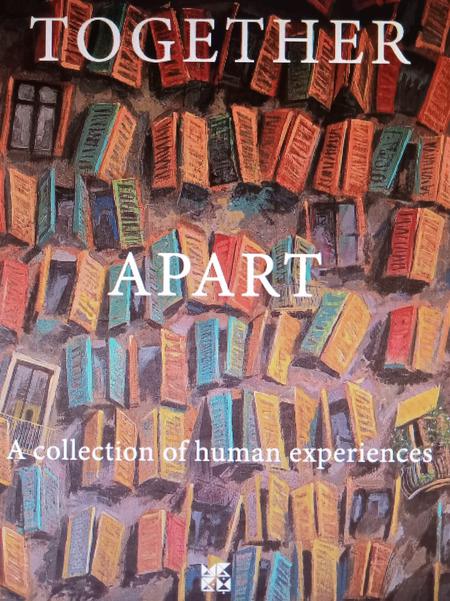
Together Apart | HBKU Press

See my chapter 'Memories that Heal, Almost' in this collection of stories from around the world.

The idea of the book, Together……Apart was born from the desire to highlight humanity at its darkest hour to unite people, even as they remained physically apart. The narratives, articles, poems, artwork, and stories from around the world that were chosen from the global call for submissions exemplify the very real and raw human emotions that defined the first few months of the COVID-19 pandemic: fear, hope, uncertainty, love, depression, faith, loneliness, and gratitude. They demonstrate how the

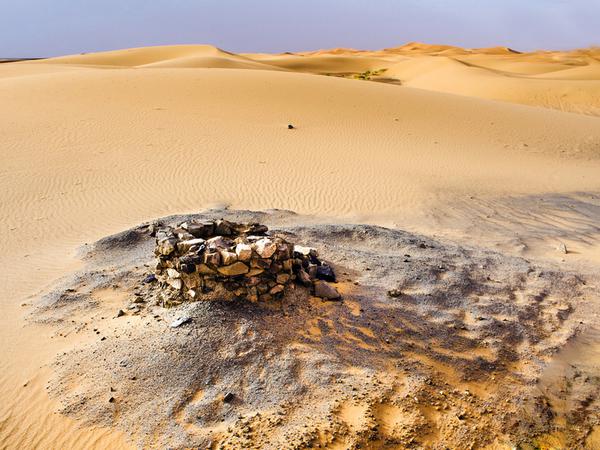
Qatar National Food Security Programme: Initiating a Model for Arid States

In a country like Qatar, which imports over 90 percent of its food needs, food security remains one of the major challenges. With extreme water scarcity and time-bound hydrocarbon wealth, the nation has limited choices. It either continues “business-as usual”, relying heavily on imports, or engages in an enormous undertaking to establish its food sovereignty. The 2008 food crises came as a wake-up call for the country that had, for decades, depended on cheap food imports. In response, a National Food Security Programme (QNFSP) was established by the Office of the Heir Apparent of the State of Qatar, H.H. Sheikh Tamim Bin Hamad Al-Thani.

Creative Writing